An introduction to Japanese Canyoneering
Sawanobori, or 沢登り, is a Japanese sport in which people climb up streams. The word itself is a combination of two words, 沢 which means “stream” or “creek”, and 登り which means “to climb”. The activity is as the name implies in that a typical sawnobori route entails entering a body of moving water, usually a creek, stream, or small river, and navigating upstream. Upstream trips usually require constant climbing, and a mix between class 3 or 4 scrambling and full roped climbing.
Sawanobori most similarly matches sports found abroad like canyoneering or canyoning. The key difference, however, is that canyoning usually focuses on descent into streams, canyons, and gorges. Canyoneers go down stream, enjoying repels, jumps, and swims along the way. There are some other, in my experience less commonly used, names such as “up-canyoneering” or “River Tracing”. But all more or less refer to the same mindset of moving up a body of running water, climbing and hiking as needed.
Similar to canyoneering, sawanobori includes a lot of ropework, jumping, and swimming, but it focuses on climbing rather than descending. In the range of sawanobori routes, you can find everything from leisurely stream walks to hardcore trad climbing up hundred-meter walls. These walls have the added excitement of being under or very near large waterfalls which adds an extra layer of excitement, albeit this also adds a layer of danger.
As with many outdoor activities, sawanobori is an extremely dangerous sport which requires proper knowledge and gear to enjoy safely. Beginners should always be accompanied by an experienced guide and take proper precautions before going on a trip or entering a body of running water.
Where does it come from?
In circles abroad and in Japan, sawanobori has something of mythic origins. Like the origins of sushi or the Japanese imperial throne, sawanobori is said to be a traditional practice going back hundreds or possibly thousands of years. It emerged as a way of life, people say, and it was simply a necessity for people to traverse the challenging mountain ranges covering Japan.
There is a traditionalism in the culture and practice of sawanobori, but in the same way that contemporary sushi has not existed for more than a few hundred years, contemporary sawanobori seems to be the same.
I have not yet found a comprehensive historical approach to sawanobori, but from what I can tell, its contemporary origins are fairly recent. Introduction content, internet blogs and sawanobori records point to two pioneers for the sport, Kanmuri Matsujiro (1883 – 1970) and Tanabe Jūji (1884 – 1972).
Kanmuri Matsujiro was a mountaineer and photographer who spent time exploring and documenting the Kurobe Gorge across the 1920s. This culminated in a photo book which he published in 1928 titled The Kurobe Gorge (黒部渓谷). Only two years later, Tanebe Jūji published his 1930 account, Mountains and Canyons (山と溪谷). The book documents his travels including a trip to the Fuefuki River which Tanabe reportedly climbed in 1917. These two pieces document both textually and visually the wonder and power of Japanese stream climbing and waterfalls seem to be the most concrete starting points we have today.
Since these pioneering expeditions, sawanobori has changed dramatically in terms of gear routes and knowledge. Takuwa Shinichi (高桑信一) in his book How to Hang a Tarp and How to Light a Fire (タープの張り方 火の熾し方) discusses the evolution of the sport from the early days when climbers would carry dozens of paris of waraji or traditional bamboo shoes. The old, handwoven slippers are said to have worn out within a day if not within 6 hours, meaning climbers would need several pairs on long trips. Today, popular suppliers like Mont Bell have full ranges of sawanobori shoes with different rubber and felt configurations to optimize for different terrain.
These technological advances have been game changing for sawanobori. Even more important perhaps has been the evolution in navigation technologies. Much of sawanobori route documentation relies on semi-handdrawn maps documented in beginner books and route guides such as [Insert book titles]. These guide books have hundreds of maps for every part of the country and document the general flow of each route with major highlights such as the biggest waterfalls, the best entrances and exits, and landmarks, for example a big boulder or abandoned wasabi farms (common in Okutama).
Navigation has evolved tremendously in recent years with GPS tracking and GPX files helping newer climbers (like me!) get more visibility of routes before venturing out. Check out the My Trips section to download the GPX files from my recent trips!
As sawanobori continues to attract new audiences, I suspect the technology, gear, and routes will continue to evolve, hopefully with accessibility and enjoyment in mind.
Interested in learning more? Check out my Beginner Guide to learn more about what you need and where to go for your first trip!
Sawanobori Resources
There are many traditional resources to learn more about Sawanobori in Japanese. If you speak and read Japanese, I highly suggest giving them a read, especially if you’re interested in trying sawanobori yourself!
Books
沢登り:ヤマケイ入門&ガイド、山と渓谷社
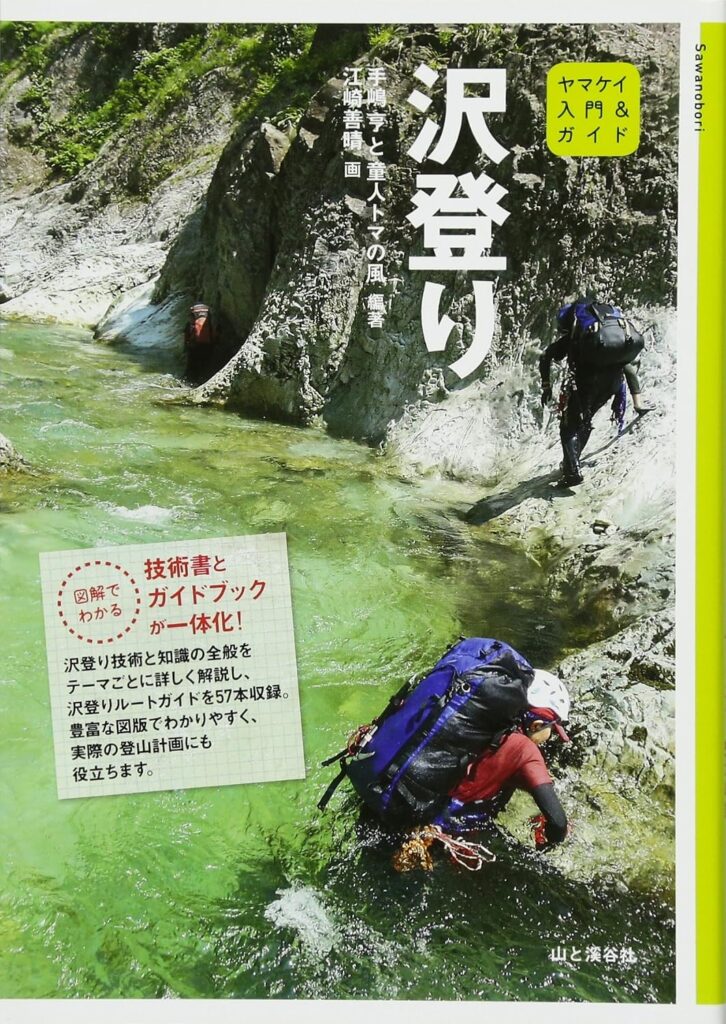
This is an excellent beginner guide which includes notes on everything from the definition of “sawanobori” to the best technique for walking in streams to a list of beginner routes. Written with a simple and informative tone, I highly recommend it!
沢登りルート:東京起点
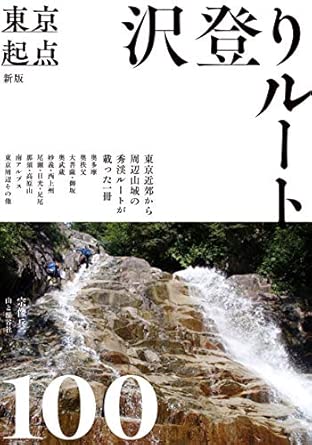
A great resource for routes in the Tokyo area. Routes from beginner to advanced are covered with lots of notes and instructions to help one prepare effectively.
タープの張り方 火の熾し方:私の道具と野外生活術
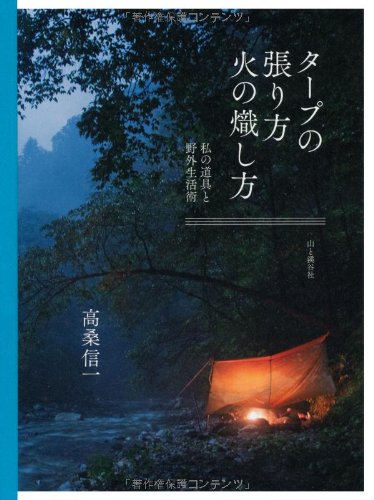
This book, by the sawanobori legend Takuwa Shinichi, was once described to me as “tips” for sawanobori. A mix between a technical guide, gear instruction, and personal philosophy, it contains invaluable information which can only be gleaned after decades of sawanobori.
Blogs
One of the most common ways to learn about sawanobori routes, technique, and trail conditions is through blogs, both personal and group. Below are a couple of blogs which have a lot of information about different routes. Highly recommended if you’re planning to venture out and want some points of reference